Having smooth, glowing skin is everyone’s dream, but blackheads and pores often get in the way. These tiny dark spots and enlarged openings on the skin, especially around the nose and cheeks, are one of the most common concerns people struggle with. Understanding what causes them, the different types of pores, the habits that make them worse, and the treatments that actually work can help you manage and prevent them effectively.
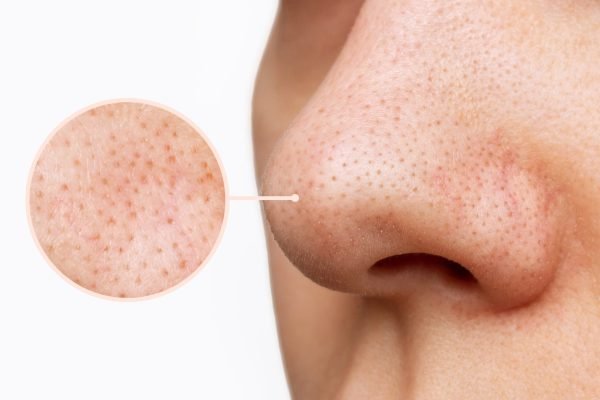
Let’s start with the basics. Pores are tiny openings in the skin that allow oil and sweat to reach the surface. When these pores become clogged with sebum, dead skin, or impurities, they can lead to blackheads or whiteheads.
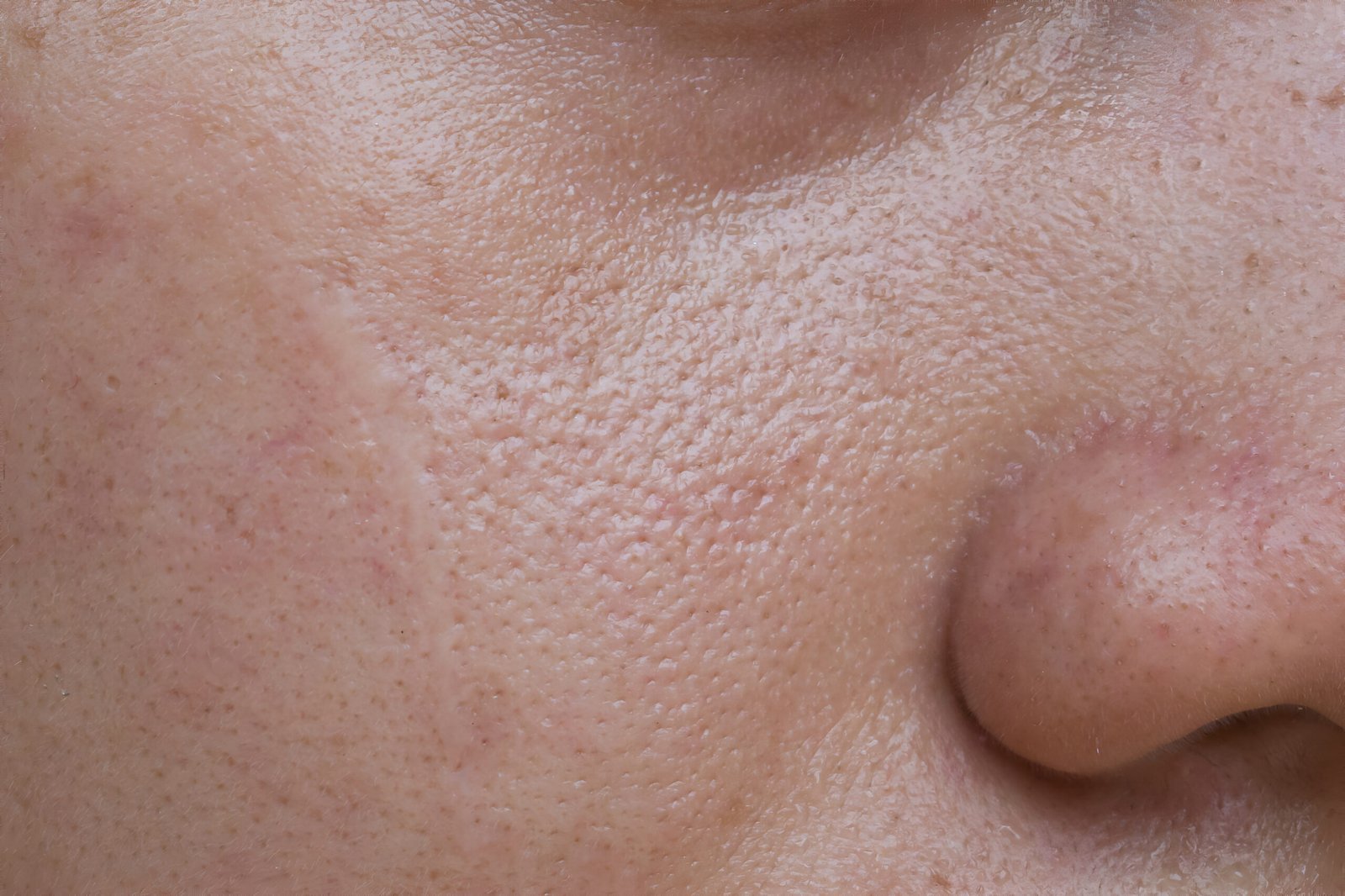
Blackheads, also called open comedones, stay open at the surface. The trapped material inside oxidises when exposed to air, which is why they turn dark. Enlarged pores, on the other hand, may not always be clogged, but they make skin look uneven and textured, something many people notice as they age or if they naturally have oily skin.
There are several reasons why blackheads and pores appear more prominently:
Excess Oil (Sebum) Production
The T-zone (nose, forehead, and chin) has more oil glands. When too much sebum is produced, it mixes with dead skin and blocks the pores.
Hormonal Changes
Hormones during puberty, menstruation, or stress can increase oil production, making pores more likely to clog.
Dead Skin Build-Up
Without regular exfoliation, dead skin accumulates on the surface, leading to clogged pores and blackheads.
Oxidation
Blackheads are not caused by dirt. The dark color comes from the trapped oil oxidizing when exposed to air.
Genetics & Skin Type
People with oily or combination skin naturally have more visible pores and are more prone to blackheads.
Environmental Pollution
Dust and pollutants settle on the skin, mix with oil, and block pores, especially on the nose and cheeks.
Aging
With age, skin loses elasticity, causing pores to look larger and collect more impurities.

They are larger in size Produce more sebum Highly prone to blackheads and acne

They Appear smaller and tighter. Rarely get blackheads, but skin may look rough or flaky.

Oily in the T-zone and dry on the cheeks. Blackheads mostly appear on the nose and chin.

When skin loses firmness with age. Pores appear bigger, making blackheads harder to remove.
Dealing with blackheads and pores can be frustrating, but understanding their causes, knowing your pore type, and avoiding certain habits can help you manage them better. With the right mix of skin care and professional treatments, you can achieve smoother, clearer, and healthier-looking skin. Remember, blackheads aren’t caused by dirt but by clogged and oxidized pores, and with consistent care, they can be treated effectively. Take a step towards your skin care today and book a free consultation now.